A full fifty years before most electric service would come to Warren County, a small piece in the December, 20, 1870, Warrenton Banner noted “The Wants of the Age”:
This is an age of enthusiasm, as well as of electricity and steam. The lever that moves the world has been discovered. It is a column of steam hung upon thunderbolts and electricity, and woe to the man who has not enough activity to escape its lightning sweep. Men filled with life, activity, nerve, determination and enthusiasm are the only ones who can succeed now. …Sleepy drones and lazy loafers cannot exist, for when they lie down upon the wayside of progress … they are crushed and mashed beneath the wheels of the thundering car of time, and their bleaching bones left as a warning to others.
[Warrenton Banner, Dec. 20, 1870, p. 1, “The Wants of the Age”]
Thirty-six years later, a 1906-1907 Central Wesleyan College catalog described Warrenton as “lighted by electric lights” and “The location is high and healthful, in a pleasant part of the State.” The “high and healthful” was true, but “lighted” was being generous. A small, local plant provided some light and a few places, like Central Wesleyan, had lights, but most of the area and most streets went dark at sunset.
[Catalogue of Central Wesleyan College, Warrenton, Missouri, 1906–1907 (Warrenton, Mo., 1907), p. 10. Mid-Continent Public Library, Midwest Genealogy Center, Gen. 378.778 C333 1906/07]

Aside from two 500-candle power arc lights on the water tower and the court house, Warrenton was “still a mighty dark place” in 1924.1 The light from atop the water tower and court house each produced about as much light as eight 60-watt LED light would today, shining from about 50 feet above the ground and extended with the help of a Fresnel lens. On any given night, these two bulbs produced light useful for way finding miles away. For business patrons on the ground, however, light was diffuse and the street-level windows, steps, and shops were still harder to see than most shop owners wanted.
Cities across the United States had been electrifying for a little more than four decades. Warrenton, Wright City, and Marthasville all still relied on small, manually-lit gas or kerosene street lamps that seemed to require constant maintenance well into the 20th century. Kerosene lanterns in shops and barns sputtered smoke and spilled over, resulting in barn fires and constant risk.
In the spring of 1924, the East Missouri Power Company was hanging wires west from St. Louis. New generating stations were being built that promised reliable, consistent power delivered across long-distance power lines. Until then, small steam-powered generators within factories or mills provided self-contained electrical systems that worked, but were costly and hard to maintain.
The Warrenton City Board voted in April 1924 to remove the kerosene-powered lights down the middle of the street and instead arrange them neatly on either side of Main Street.2 This might have been premature since a tax covering the cost of new electric lights wouldn’t be voted on until September and new generating stations weren’t finished yet.
Similar proposals in Wright City and Marthasville were presented to voters. Each proposal called for the East Missouri Power Company to install new light fixtures. In Warrenton, the lights would be strung along most streets with wires, which was deemed “sufficient”. But Warrenton business owners desired a “white way”,3 with attractive light fixtures on both sides of the street.
Warrenton voters went to the polls in a special election on September 2, 1924 and, a month later, a contract was signed agreeing to a minimum of 40 street lights of 80 candle power each.4 Each light would cost $2 per month per light. Marthasville residents elected to do the same.5 Wright City voted unanimously for service.6 These lights were dimmer than the old arc lights, but because they were closer to the street and entryways, shop owners got more light closer to their storefronts. Electrified streets came into Warren County as fast as the power company’s linemen could string the wires.
Kerosene street lamps stood down the middle of Warrenton’s Main Street and had to be lit and tended by hand. In April 1924, the City Board voted to move them to either side of the street.
The East Missouri Power Company completed its line from Jonesburg to Warrenton in October 1924.1 That line promised the bulk of the power for street lights and smaller businesses. An earlier line, from Troy to Locust Grove School near Wright City, and then on to Warrenton, began delivering power eight months earlier for industries and larger businesses ready to electrify or replace steam engines.78
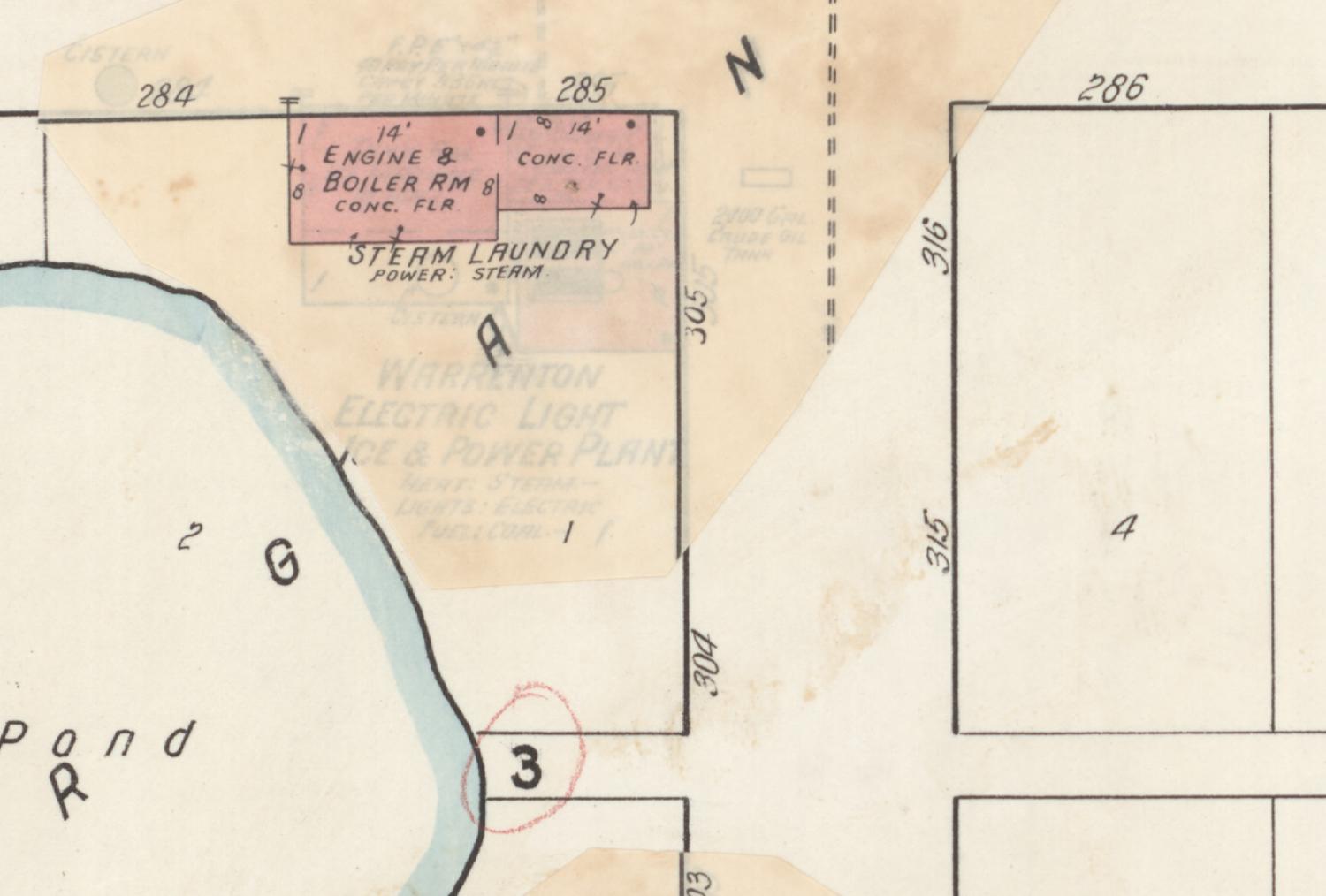
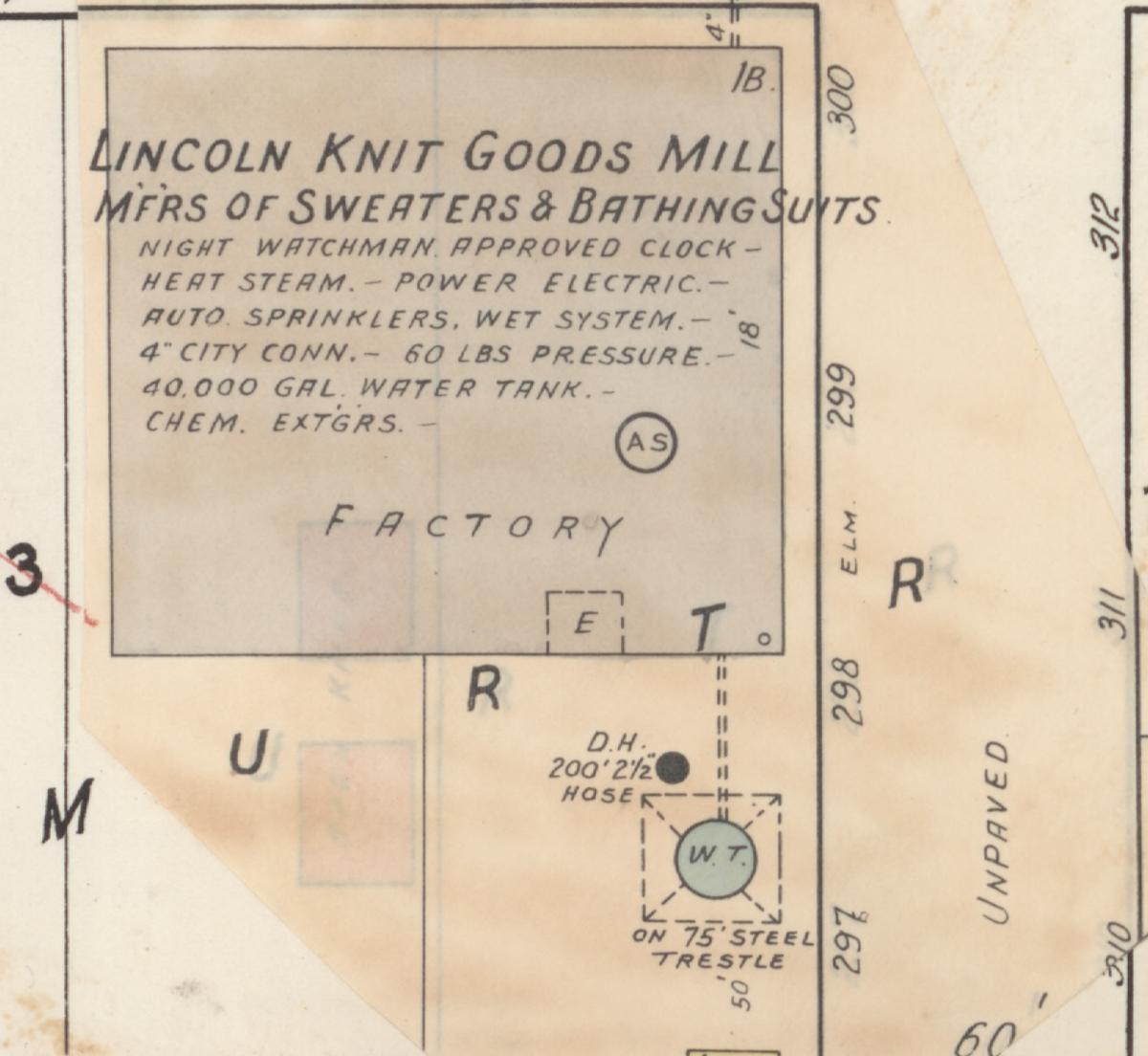
Most of the early electrical systems used in and around Warren County were designed to serve employers and industrial businesses. The Knitting Mill was one of the early industrial operations to locate in Warrenton with the promise of good lighting and electricity.1 It would take some time for homeowners to electrify.
For some rural farms it would take another two or three decades before service came down their dirt roads. Rural Warren County began receiving electricity from “out of town” with the Cuivre River Electric Cooperative in March 1941.
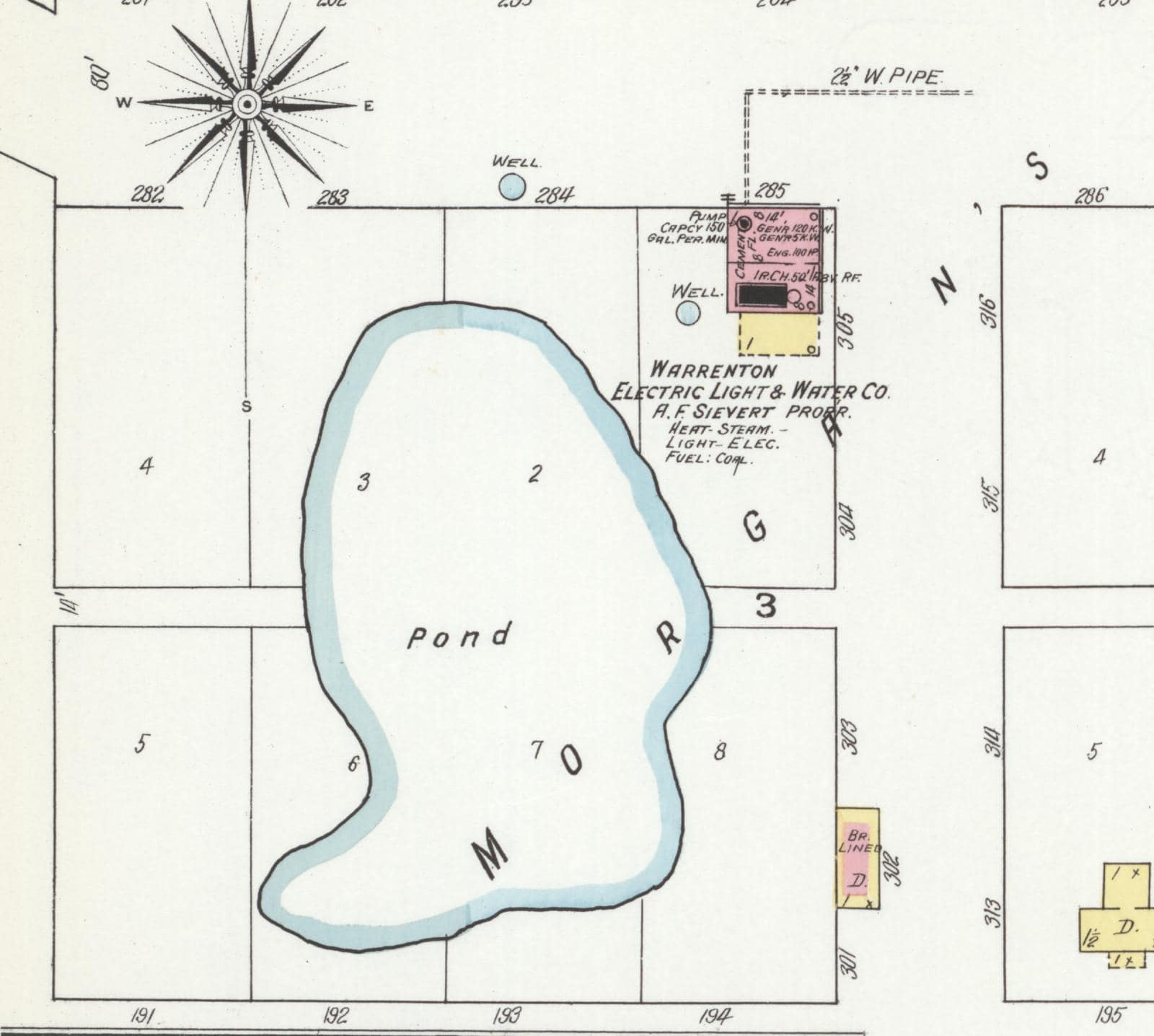
As exciting as these advancements were, electricity was hardly new to people. People had been hearing about electricity and seeing it at work in large cities, World’s Fairs, and buzzing out of Edison’s lab since the late 1870s. Butler, Missouri had claimed the title for first electric light service in Missouri and the first west of the Mississippi in 1881. Warrenton had steam-powered mills, such as one owned by Frederick “Fritz” Sievert, located south of the Boone’s Lick Trail, west of Warrenton, in 1873. His son would later take over operations.
The “War of the Currents” between AC and DC power systems played out through 1880 and into the 1890s. Early street lights were arc-lights, a precursor to incandescent bulbs invented by Thomas Edison in 1879. These bulbs worked by passing electricity between two carbon sticks. They offered significantly more light than oil or gas, but required almost as much maintenance as the rods burned out every day or two. Like oil and gas lamps, the arc-lights needed to be flipped on and off each night and day, too.
Large-scale, low-voltage direct current marketed by Thomas Edison had merits for safer, indoor incandescent lighting. But transmitting DC current wasn’t cheap or easy, and required huge currents and thick copper wiring with local generators every mile or so.
George Westinghouse had invented high-voltage feed lines that used transformers to safely drop voltage to customers, proving AC could be delivered efficiently over longer distances. Warren County largely skipped the AC/DC debate since no power plants existed nearby yet. By 1900 when electrical service spread west of St. Louis, Warren County businesses jumped straight to the winning alternating current.
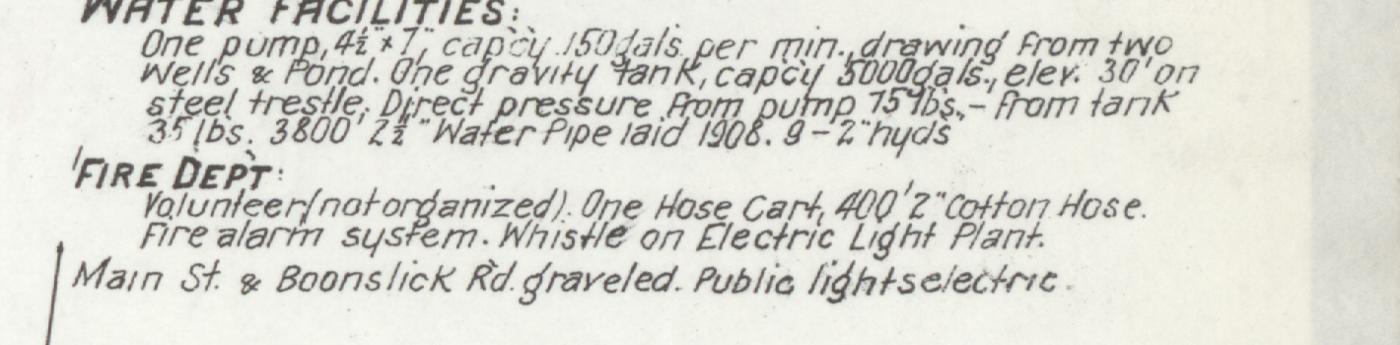
By 1910, national industries were increasingly standardized on AC power. In places like Warrenton and Wright City, economic development and the impression of out-of-towners seemed to be the guiding light for additional electric service. Still, some remained unconvinced. Many felt electricity was just a curiosity, or maybe a tool for experiments. People had been predicting the “electric farm”9 was the future:
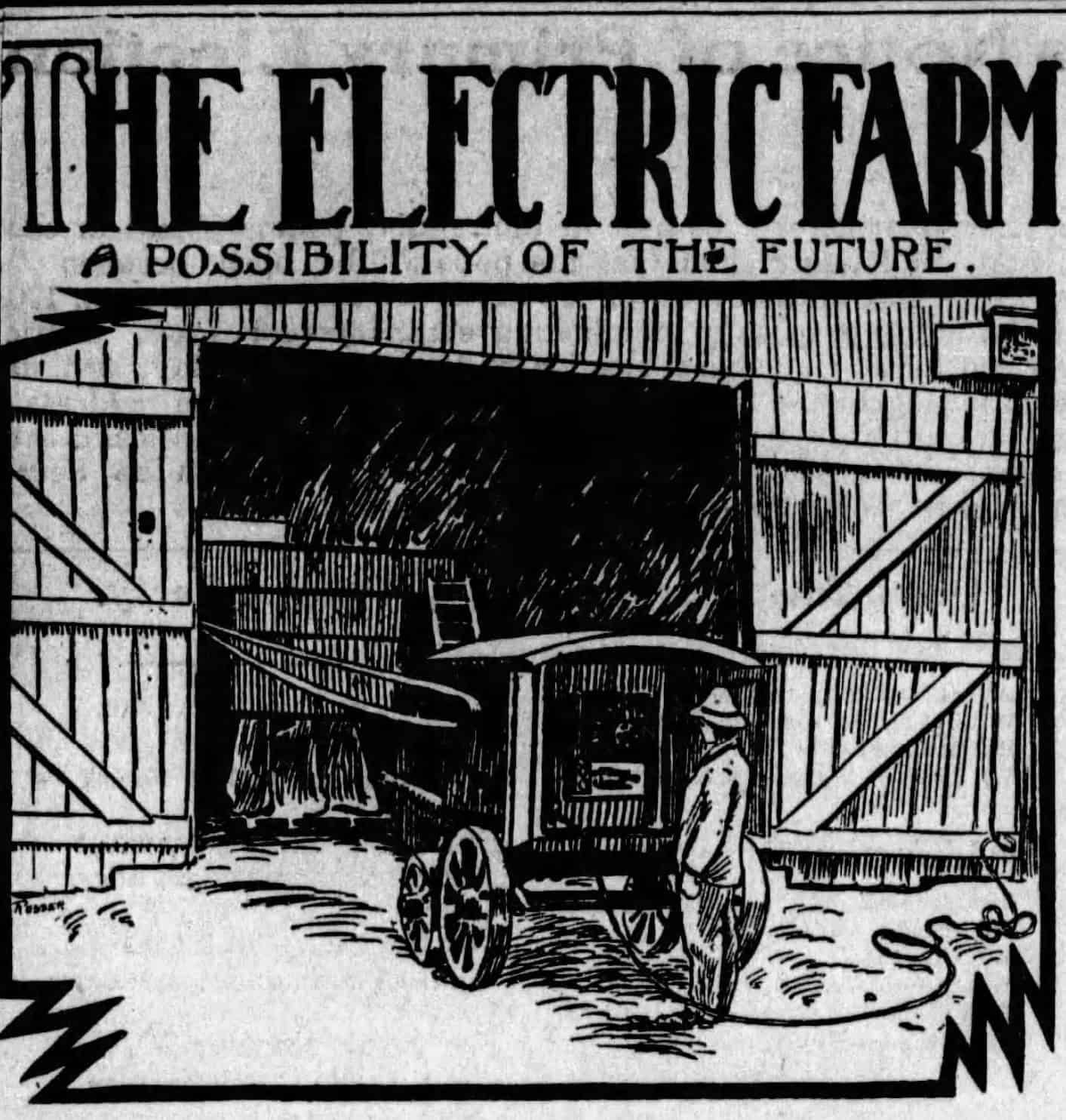
A possibility of the future
“Here is a picture of a twentieth-century farm house when electricity will have come to its own as a power factor on the farm. It has a cool, clean kitchen, a laundry where all the hard work is done by an electric motor; good lights, with no lamps to fill; and a small vacuum cleaner run by electricity replaces the broom. A cleaner house and better food in half the time!”
[“The Electric Farm, A Possibility of the Future,” syndicated newspaper illustration and text drawn from Arthur W. Page, “The Age of Electric Servants,” The World’s Work. Printed in July 1908 in papers including The Warrenton Banner.]
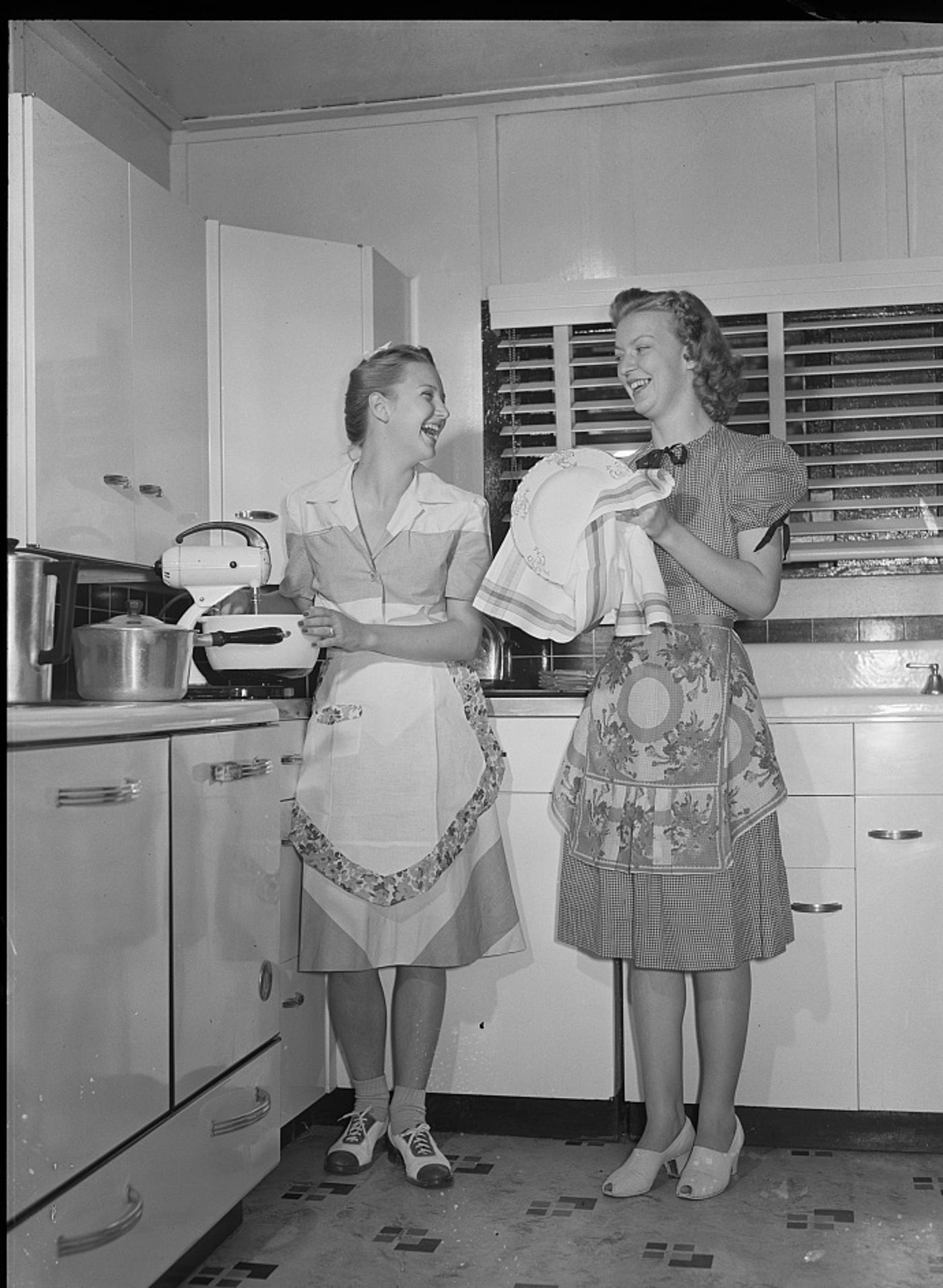
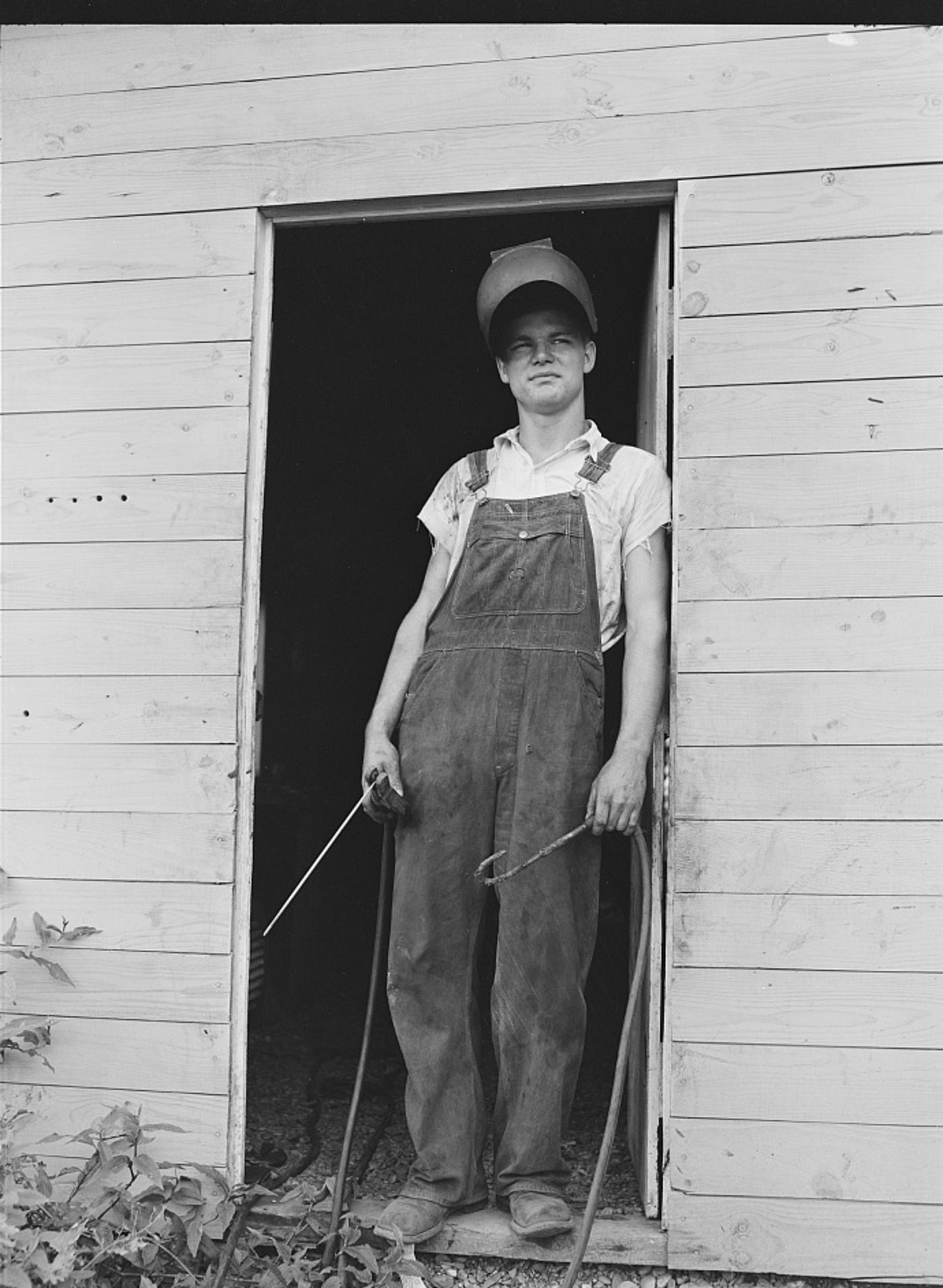
All the glitz of city lights struck Roscoe Howard of Wright City in 1921 as another reason for kids to flee the farm.10 He wrote:
“When preachers prate about the young folks of the rural communities leaving for the bright lights of the cities they are speaking more literal truth than poetry. People are attracted to light as are animals, fishes, and insects. …[Automobiles and electricity] have made farm life tolerable by making it easier to get away from. They have made farm life more pleasant by taking farm folks to pleasures off the farm. …Now, as we hinted, there will also be a large crop of farm boy electricians, some of whom, given technical training, will no doubt take up the world where Edison leaves off. But more important for the welfare of the world will be this large and contented group of electrical farmers. Teach your boy electricity and keep him on the farm.”
Many of these early electrical predictions came true. It was argued farmers might soon operate most of their farm operations from a switchboard of sorts, all from indoors. Itself another prediction that seemed to imagine personal computers sixty years before they became commercially available.
About the sources
The 1906–1907 Catalogue of Central Wesleyan College quoted here is held by the Mid-Continent Public Library’s Midwest Genealogy Center in Independence, Missouri (call number Gen. 378.778 C333 1906/07).
“The Electric Farm, A Possibility of the Future” was a syndicated newspaper feature whose text was adapted from Arthur W. Page’s article “The Age of Electric Servants” in The World’s Work. It ran in the Warrenton Banner on July 10, 1908, page 7, as well as in other newspapers across the country that month.
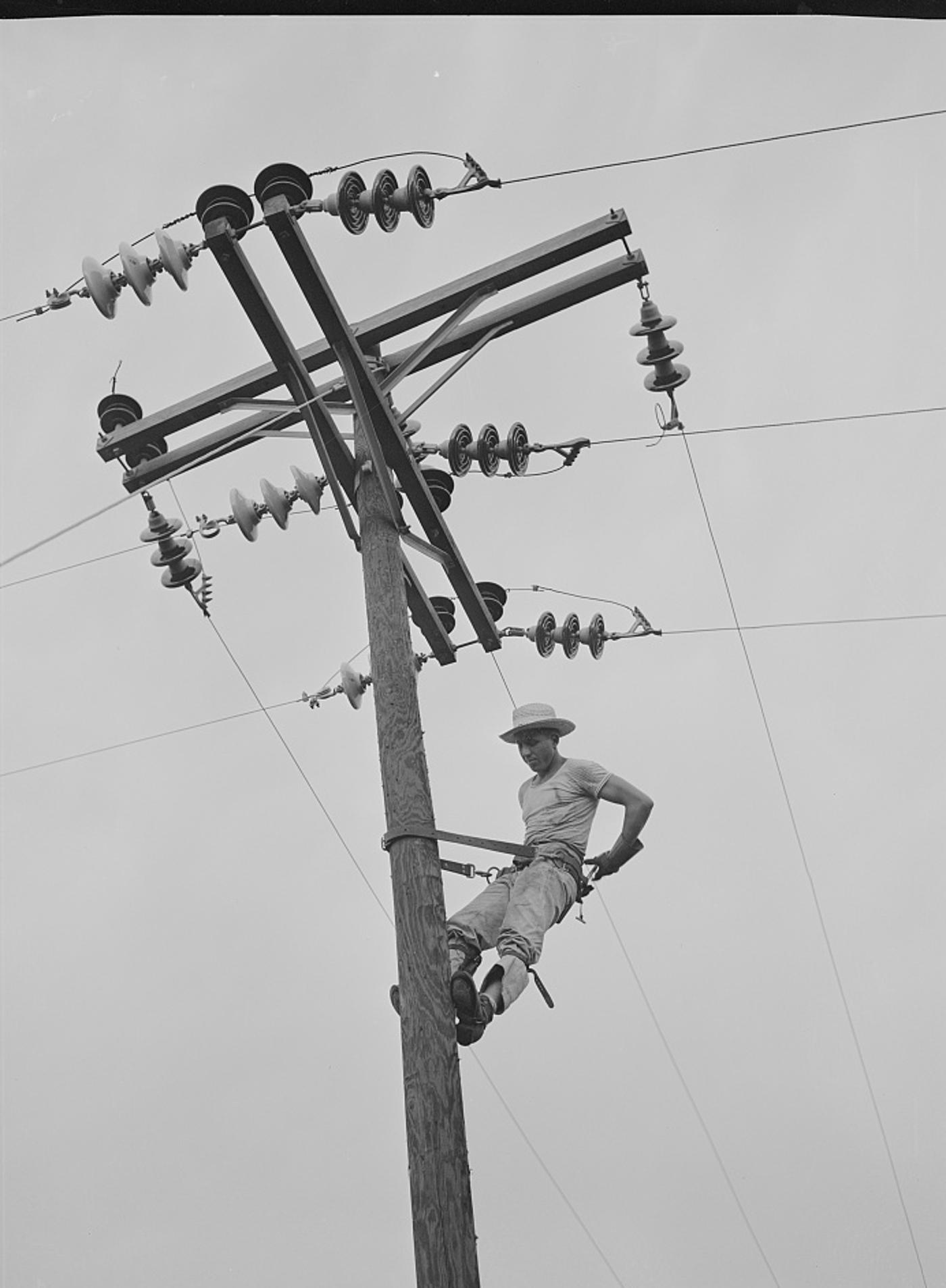
Map details come from the Sanborn Map Company’s fire insurance maps of Warrenton (July 1909 and 1932 editions) in the Library of Congress Geography and Map Division. Rural electrification photographs are by Arthur Rothstein for the Farm Security Administration, 1942, from the Library of Congress, with no known restrictions on publication.
- Warrenton Banner (Warrenton, Mo.), Oct. 31, 1924, p. 1. [↩] [↩] [↩]
- Warrenton Banner (Warrenton, Mo.), April 25, 1924, p. 1. [↩]
- Warrenton Banner (Warrenton, Mo.), Nov. 14, 1924, p. 5. [↩]
- Warrenton Banner (Warrenton, Mo.), Aug. 22, 1924, p. 7. [↩]
- The Marthasville Record (Marthasville, Mo.), Oct. 9, 1942, p. 2. [↩]
- Warrenton Banner (Warrenton, Mo.), Oct. 12, 1923, p. 4. [↩]
- Warrenton Banner (Warrenton, Mo.), Nov. 30, 1923, p. 1. [↩]
- Warrenton Banner (Warrenton, Mo.), Feb. 1, 1924, p. 1. [↩]
- Warrenton Banner (Warrenton, Mo.), July 10, 1908, p. 7. [↩]
- Warrenton Banner (Warrenton, Mo.), Nov. 18, 1921, p. 4. [↩]