Kaffee Kuchen, Spätzle, Johnny Cakes, Mock Apple Pie with Ritz Crackers, Quiche Lorraine, and hundreds of other dishes have a long history in and around Warren County and the Missouri Rhineland. What are these dishes? How did they become so popular? And what influences brought them into our kitchens and holiday tables?
Dining out on the Missouri frontier
Throughout the 1800s waves of German settlers settled into Missouri thanks in part to the exciting stories of Gottfried Duden and Frederich Muench. These Germans were one of America’s earliest spreaders of “social foodways”, as they passed through the early United States.
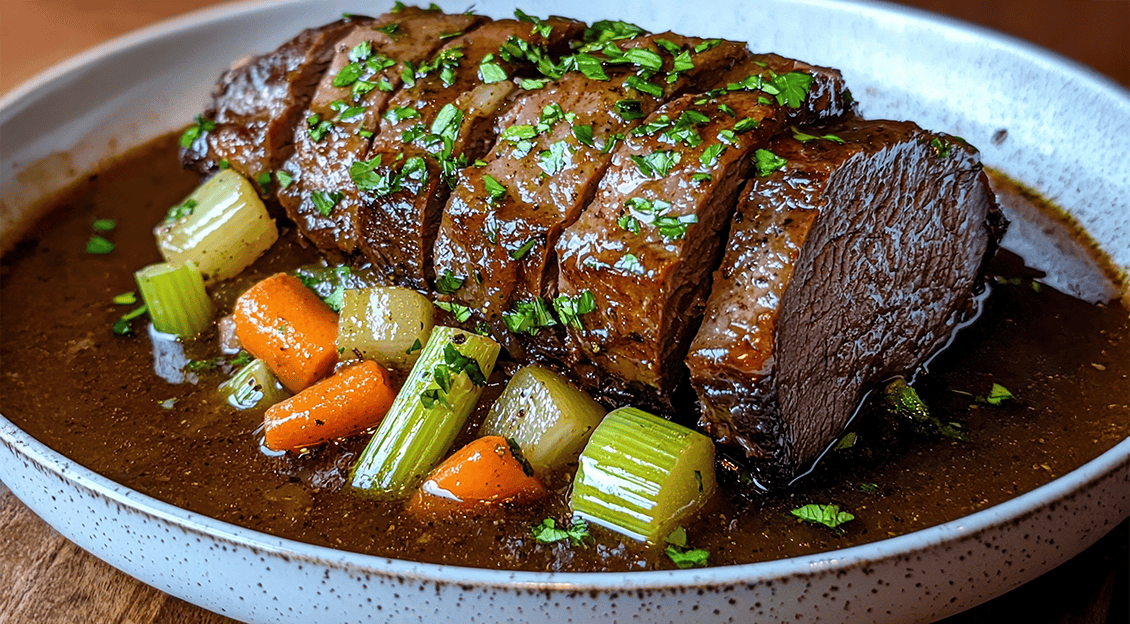
Some of their favorite dishes included Sauerbraten, a German-style marinated roast. We’d recognize this today as a typical roast you might cook in a Crock Pot or Instant Pot.
Like many American dishes over the centuries, Sauerbraten has become sweeter as sugars have been added. But early brines had little access to precious sugar, so other savory ingredients were used instead, mostly salt. Germans who lived through the “Salt Monopoly” of Frederick the Great. This required most Germans to buy much more salt than they needed, and use more of it when cooking.
Sauerbraten roast recipe
The following is a modern Sauerbraten recipe, adapted from German Cooking in America by Patricia B. Mitchell (2003). In the mid-to-late 1800s, sweetening ingredients like red wine, sugar, or cloves were not used.
Prepare a marinade of:
- 2 cups red wine vinegar
- 2 cups water
- 1 medium onion, chopped
- 2 carrots, sliced
- 1 stalk celery, sliced
- 2 tbsp. sugar
- 10 whole peppercorns
- 2 bay leaves
- 1 tsp. salt
- ½ tsp. mustard seeds
- 2 whole cloves
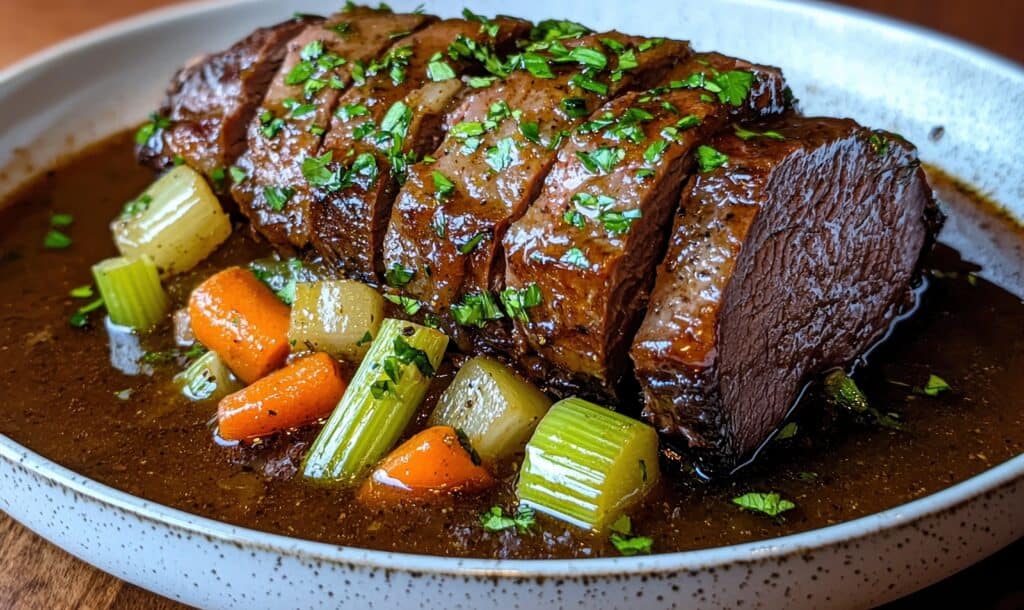
- Marinate a rump or bottom round beef cut for 3-10 days in wine or vinegar, water, vegetables, and spices such as clove, juniper berries, bay leaves, and — if you have it in 1830 — garlic.
- Brown and braise the meat over a hearty fire until cooked through. Keep the meat saturated in its marinade. You can thicken the resulting gravy with crushed gingersnap cookies for a sweet dessert after dinner.
Germans also brought a noodle, dumpling-like dish called Spätzle with them. Spätzle and sauerbraten were commonly served together. Modern readers might compare this favored German dish to a roast served with egg noodles, almost like a beef-and-dumpling soup.
Thick milk requires raw milk
In German Cooking in America, Alfred von Krusenstiern recalled:
“When I was a kid [in Germany] spending summer vacations with relatives who lived on a farm, [thick milk] was served daily and was loved by everybody, children and grown-ups alike. Since it depends, like yogurt, on bacterial action, it can only be prepared when the weather is warm. Unlike yogurt, thick milk (or simply “sour milk,’ as it is called in some regions of Germany) does not require the addition of a bacterial culture.
The recipe for dicke milch, thick milk:
“Pour raw milk into a bowl. Cover with cheesecloth to prevent insects from falling into milk. Put bowl in a warm place. After 12 to 24 hours, depending on the ambient temperature, the milk will assume the consistency of yogurt. “When it consists of a delicious layer of rich sour cream, the milk is ready, the top has a yellowish tinge and consists of a delicious layer of rich sour cream.
Sprinkle with sugar (because of its crunchiness, ordinary sugar is preferable to powdered or confectionery sugar). Add a generous amount of crumbled whole rye bread; if possible, use rye bread which contains whole seeds or berries. Cinnamon and/or other spices are optional. Eat.
“Unfortunately, ‘thick milk’ cannot be prepared in this country, because the two main ingredients are not obtainable. One is raw milk which has not been pasteurized and homogenized and partly or totally de-creamed. The other is whole dark rye bread. Crumbled Wonderbread jüst won’t work. Nor will milk that has been pasteurized and homogenized. It will become sour, but it will remain liquid and never assume the yogurt-like consistency of ‘thick milk.'”
Favorite regional recipes during the Civil War
Troops moving around the country throughout the Civil War often spoke about their favorite dishes and desserts. These early conversations in long stretches of downtime between battles helped soldiers feel a sense of home, and, encouraged recipe sharing.
Kitchens were hard to come by for Union and Confederate soldiers, so troops made do with what they had. Hardtack, Johnnycakes, and Molasses Coffee were the go-to foods.
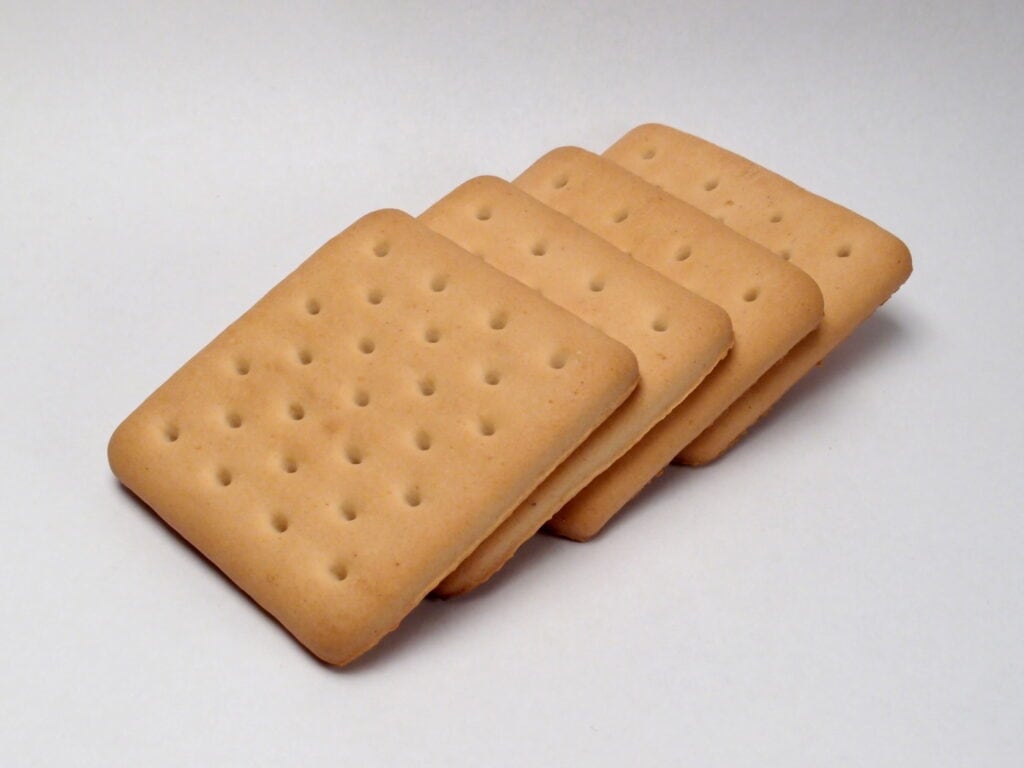
Hardtack biscuits
This staple ration mixed flour, water, and salt into a biscuit-like item. Like its name suggests, hardtack was hard and usually dry and tough since eggs were scarce. Water from streams and various sources often altered its flavor. But because it was so hard, soldiers could prepare a bunch at camp and stuff them in their pockets to eat later through the day or week.
Johnnycake pancakes
Johnnycakes resembled a puffy, small pancake. These cornmeal cakes were fried on pans and griddles and remained popular even after the war. Commercial bakeries even manufactured pre-milled cornflower people could buy in a box, an early precursor to prepared foods that would define the 1950s and 60s.
Molasses Coffee
Coffee beans are scarce commodities throughout U.S. history. They became even more scarce during the Civil War. To make do, soldiers would often boil whatever they could find, including roasted chicory, sweet potatoes, molasses dripped from trees, and that all-American staple: corn.
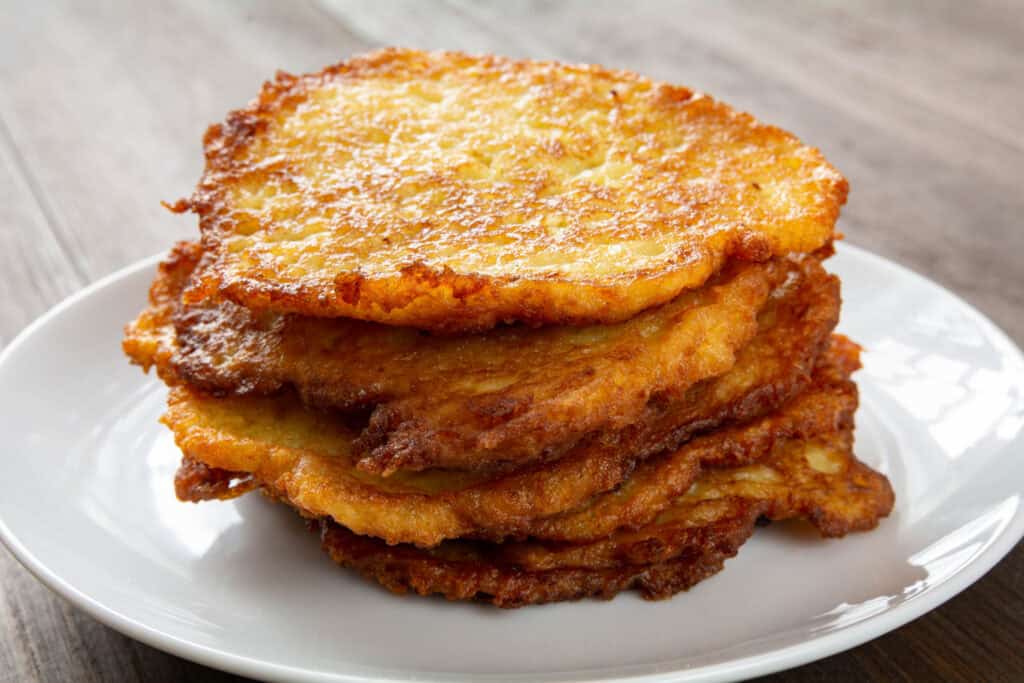
Kartoffelpuffer (Potato Pancakes)
Back home in the Missouri Rhineland, Kartoffelpuffer (Potato Pancakes) remained popular. Germans had only been introduced to potatoes about one or two generations before when Frederick the Great encouraged the planting of potatoes. A puffy, starchy dish called Kartoffelpuffer arose. This recipe appears in German Cooking in America courtesy Margot Richter Mayhew:
- 6 large potatoes
- 1 onion
- 1 egg
- 1 tsp. salt
- 3 tbsp. all-purpose flour
“Peel potatoes, chop in blender with [peeled] onion, egg, salt; add flour. Heat some oil in a frying pan, pour some potato mixture into very hot oil. Brown well on both sides. Drain off oil by briefly placing on absorbent paper. [Modern cooks can] serve with a little sugar on top if you like. Eat with applesauce or canned blueberries.”
Dishing Hoover Stew through the Depression
Americans have long pinned their hopes, dreams, and troubles on whoever sits in the White House. During the Great Depression, “Hoover Stew” became a popular dish nationwide because of its cheap ingredients, but like most stews, it maintained a regional taste.
Missouri-style Hoover Stew Recipe
- Toss in whatever you have of cooked pasta, usually macaroni, tomatoes, corn, hot dogs, and, if you’re lucky, beans.
- If you have a pig ready for slaughter, you can substitute sausage for the hot dogs and enjoy a heartier meal.
Most cooks looking to stay cheap would have used canned tomatoes, canned corn, and canned beans if available.
The start of the ‘processed kitchen’ after WWII
Meatloaf with oats or cornflakes, tuna casserole, and Jell-O molds are likely familiar favorites with many people today. After WWII, processed food manufacturing took hold across the nation. This commercialization homogenized kitchens at speeds Americans had never experienced before. Regional flavors continued to be used, like local honey, molasses, or other spices such as peppers in the southwest or citrus in the southeast.
Healthier “natural foods” attempt a return to the land
After decades of TV dinners and frozen convenience foods and boxed bread and cake mixes, Americans nationwide turned to healthier, natural foods. But few were willing to forego all of the conveniences that pre-made foods offered.
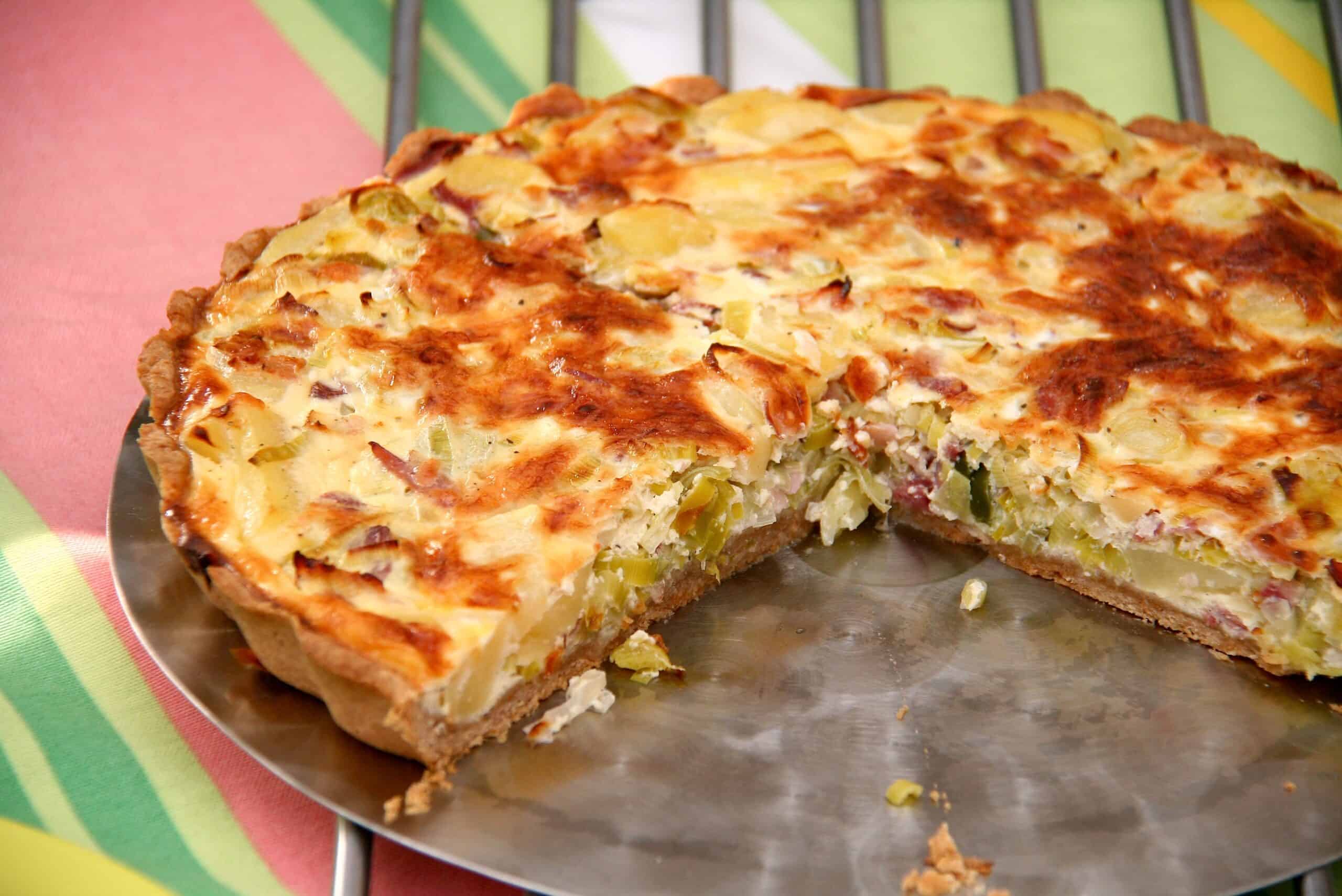
Quiche Lorraine — a French-influenced tart filled with eggs, cream, and bacon or ham in a pastry — resembles an open-faced pot pie. The French may have popularized it, but Germans had been making a similar dish called Lothringer Speckkuchen in their kitchens for decades when it originated from Lothringen, an area of France once controlled by the Germans.